

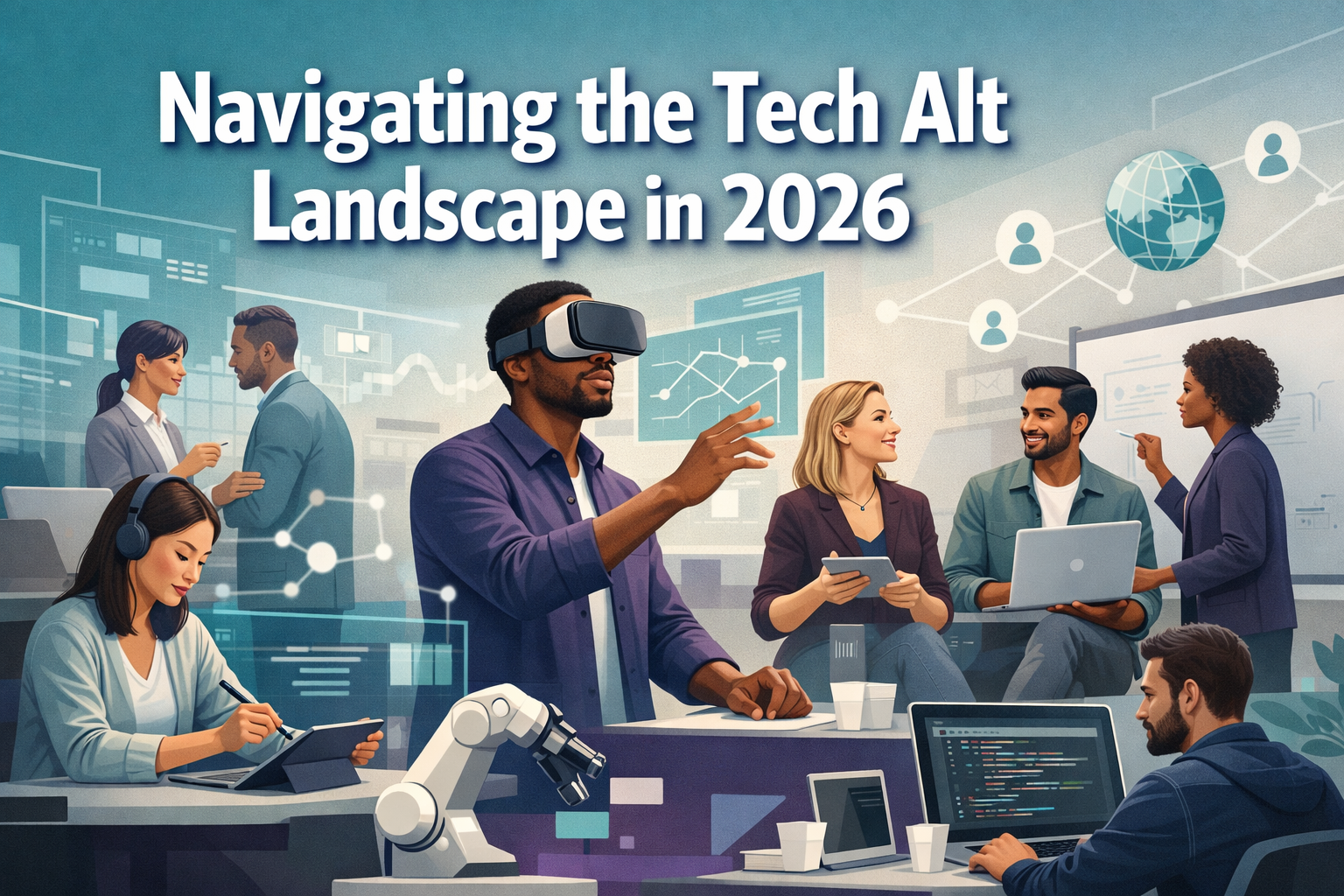
The technology landscape is dynamic, constantly evolving, and much broader than just coding. While software development and engineering are foundational, a vast and increasingly critical segment of the industry thrives on diverse skills that don’t involve writing a single line of code. This is the realm of tech alt—a growing field encompassing non-traditional roles crucial to bringing innovative products and services to life. As we navigate 2026, understanding and embracing these alternative tech career paths is no longer a niche interest but a strategic imperative for individuals and organizations alike. This comprehensive guide will explore what tech alt means, why it matters, and how you can successfully carve out a fulfilling career in this exciting space.
Key Takeaways
- Tech Alt Defined: It refers to non-coding, non-traditional roles within the tech industry that are essential for product development, strategy, and user engagement.
- Growing Demand: As technology becomes more complex and user-centric, the demand for professionals with strong communication, empathy, and strategic thinking skills in tech roles is accelerating.
- Diverse Opportunities: Roles span product management, UX/UI design, technical writing, data ethics, sales engineering, and many more, offering varied career paths.
- Skill Transformation: Success in tech alt careers hinges on combining a foundational understanding of technology with robust ‘soft skills’ and continuous learning.
- Strategic Advantage: Embracing tech alt not only opens new career doors but also positions individuals to drive innovation and bridge the gap between technology and human needs.
What is Tech Alt? Unpacking the Alternative Tech Landscape
At its core, tech alt is an umbrella term encompassing a wide array of roles within the technology sector that do not primarily involve writing code or deep engineering. Think of it as the vital support system that ensures software engineers’ brilliant creations are relevant, user-friendly, understood, and successfully brought to market. These roles bridge the gap between technical teams and users, business objectives, and ethical considerations. In 2026, the complexity of technology demands a more holistic approach, making tech alt professionals indispensable.
Beyond the Code: Defining Tech Alt Roles
While the public perception of a “tech job” often defaults to a software developer, the reality is far richer. Tech alt roles leverage a unique combination of technical literacy—understanding how technology works, even if you don’t build it—and crucial human-centric skills. These roles are critical for product lifecycle management, user interaction, communication, strategy, and ethical implementation.
“The future of tech isn’t just about building faster algorithms; it’s about building meaningful experiences. That’s where tech alt shines.”
The Growing Importance of Tech Alt in 2026
The technology industry in 2026 is characterized by rapid innovation, increasing complexity, and an ever-greater focus on user experience and ethical considerations. This environment makes tech alt roles not just beneficial, but absolutely essential for success. Here’s why:
- User-Centric Design: As markets saturate, products must be intuitive and delightful. UX/UI designers, product managers, and researchers (all tech alt roles) are at the forefront of this.
- Bridging Communication Gaps: Technical concepts can be complex. Technical writers, sales engineers, and product marketers translate jargon into understandable, compelling language for various audiences.
- Strategic Direction: Product managers, business analysts, and strategists provide the vision and roadmap, ensuring that technical development aligns with market needs and business goals.
- Ethical and Responsible AI: With AI becoming pervasive, roles like data ethicists and AI policy specialists are crucial for ensuring technology is developed and deployed responsibly, mitigating bias and ensuring fairness [1].
- Project Management & Operations: Keeping complex projects on track, managing timelines, and coordinating diverse teams requires skilled project and program managers, typically tech alt professionals.
Key Roles and Career Paths in Tech Alt
The beauty of tech alt lies in its vast diversity. Here’s a look at some prominent career paths, their responsibilities, and the skills they demand:
| Role | Core Responsibilities | Key Skills (Non-Technical) |
|---|---|---|
| Product Manager (PM) �� | Define product vision, strategy, and roadmap; prioritize features; bridge engineering, design, and business teams. | Strategic thinking, communication, leadership, market analysis, problem-solving, empathy. |
| User Experience (UX) Designer 🎨 | Research user needs, create wireframes/prototypes, conduct usability testing, ensure intuitive product flow. | Empathy, creativity, problem-solving, research, communication, visual design principles. |
| Technical Writer ✍️ | Create clear, concise documentation (user manuals, API docs, help guides); translate complex info. | Excellent writing, clarity, research, attention to detail, ability to simplify complex topics. |
| Data Ethicist ⚖️ | Identify and mitigate ethical risks in data collection, AI/ML models, and product deployment; ensure fairness and privacy. | Critical thinking, ethical reasoning, policy analysis, communication, understanding of societal impact. |
| Sales Engineer (SE) 🤝 | Support sales by providing technical expertise, conducting product demos, and designing custom solutions for clients. | Communication, presentation skills, active listening, problem-solving, customer relations. |
| Digital Marketer (Tech focus) 📈 | Develop and execute digital marketing strategies for tech products/services (SEO, content, social, paid ads). | Creativity, analytical skills, communication, strategy, understanding of audience behavior. |
| Project/Program Manager 🗓️ | Plan, execute, and close tech projects; manage resources, timelines, and budgets; coordinate teams. | Organization, leadership, communication, risk management, problem-solving, negotiation. |
Emerging Tech Alt Roles to Watch in 2026
The tech alt landscape is constantly evolving, with new roles emerging as technology advances. In 2026, we are seeing increased demand for:
- AI Prompt Engineer: Crafting effective prompts for generative AI models to achieve desired outputs.
- Metaverse Experience Designer: Focusing on user interaction and narrative within virtual and augmented reality environments.
- Sustainability Technologist: Integrating environmental best practices into tech product development and operations.
- Privacy Engineer (Non-coding): Ensuring products and services comply with data privacy regulations and best practices from a policy and design perspective.
Skills for Success in Tech Alt Careers
While deep coding might not be required, a specific blend of skills is crucial for thriving in tech alt. These can be broadly categorized as:
Foundational Tech Literacy
- Understanding the Tech Stack: Knowing the basic components of software and hardware, even if you don’t configure them.
- Data Fundamentals: Familiarity with how data is collected, stored, and used, and basic data analysis concepts.
- Agile Methodologies: Understanding Scrum or Kanban principles is vital as many tech teams operate in an agile environment [2].
- Industry Trends: Keeping up-to-date with AI, cloud computing, cybersecurity basics, and other major tech shifts.
Essential Soft Skills
These are often the differentiators for tech alt professionals:
Related Posts:

- Communication: Clearly articulating ideas, listening actively, and writing persuasively across technical and non-technical audiences.
- Problem-Solving: Identifying issues, analyzing root causes, and developing practical solutions.
- Critical Thinking: Evaluating information, questioning assumptions, and making reasoned judgments.
- Empathy: Understanding user needs, team dynamics, and stakeholder perspectives.
- Adaptability: Thriving in a fast-paced, constantly changing environment.
- Collaboration: Working effectively in cross-functional teams.
How to Transition into a Tech Alt Career
Many individuals find their way to tech alt roles from diverse backgrounds—humanities, business, arts, sciences. The key is to leverage your existing strengths and strategically acquire new skills. Here’s a roadmap:
How To: Successfully Transition into a Tech Alt Career
Identify Your Ideal Tech Alt Path
Research various tech alt roles like Product Manager, UX Designer, Technical Writer, or Data Ethicist. Consider your existing skills, passions, and what aspects of technology truly interest you. Talk to people in these roles to gain insights. Don’t be afraid to start broad and then narrow down your focus.
Acquire Relevant Skills and Knowledge
Enroll in online courses (Coursera, edX, Udacity), attend bootcamps, or pursue certifications specific to your chosen tech alt field. Focus on both foundational tech literacy and the ‘soft skills’ essential for your role. Develop a basic understanding of industry tools (e.g., Figma for UX, Jira for project management). Many resources offer free or low-cost introductory courses.
Build a Compelling Portfolio
For roles like UX/UI design or technical writing, create sample projects or case studies to showcase your abilities. Even for project-focused roles, document your contributions and the outcomes of your work. This demonstrates practical application of your skills. Volunteer work, personal projects, or contributions to open-source initiatives can be excellent portfolio builders.
Network Actively and Seek Mentorship
Connect with professionals on LinkedIn, attend industry events (virtual or in-person), and join relevant online communities. Seek out mentors who can offer guidance, share insights, and potentially open doors to opportunities. Informational interviews are invaluable for understanding day-to-day responsibilities and company culture. Don’t underestimate the power of a strong professional network.
Tailor Your Resume and Interview Strategy
Customize your resume and cover letter for each tech alt position, emphasizing transferable skills, relevant projects, and your eagerness to learn. During interviews, articulate how your unique background and acquired skills contribute to the role’s success. Practice answering behavioral questions and demonstrating your problem-solving approach.
The Future of Tech Alt: Trends in 2026 and Beyond
The trajectory for tech alt roles is one of continued growth and increasing specialization. Several trends are shaping this future:
- Hyper-Specialization: As fields like AI and blockchain mature, so too will the demand for highly specialized tech alt roles, such as AI Ethicists or Web3 Community Managers.
- Remote and Hybrid Work: The shift to flexible work models means geographical barriers are reduced, opening up global opportunities for tech alt talent [3].
- Emphasis on Emotional Intelligence (EQ): As automation handles more routine tasks, human skills like empathy, leadership, and complex communication will become even more valuable in tech roles.
- Cross-Functional Fluency: The ability to speak the language of both technical and non-technical teams will be paramount for success in almost any tech alt position.
- Lifelong Learning: The pace of technological change necessitates continuous learning and upskilling for all tech professionals, but especially for those in adaptive tech alt roles.
“In 2026, the most successful tech companies won’t just be building great products; they’ll be building great product experiences, and that requires an army of talented tech alt professionals.”
Key Terms in Tech Alt
Tech Alt
Short for ‘tech alternative,’ referring to non-traditional roles within the technology industry that do not primarily involve coding or deep engineering. These roles often leverage a blend of technical understanding and strong ‘soft skills’ such as communication, project management, and strategic thinking.
Product Manager (PM)
A professional responsible for guiding the success of a product and leading the cross-functional team that is responsible for improving it. They define the product vision, strategy, roadmap, and prioritize features based on market research, customer needs, and business goals.
User Experience (UX) Designer
Focuses on optimizing the interaction between users and a product or service to ensure it is intuitive, efficient, and enjoyable. They conduct user research, create wireframes and prototypes, and test designs.
Technical Writer
Creates clear, concise, and accurate documentation for technical products, services, or processes. This can include user manuals, API documentation, online help, whitepapers, and internal process guides, making complex information accessible to target audiences.
Data Ethicist
Specializes in identifying and mitigating ethical concerns related to data collection, usage, and algorithmic decision-making. They help organizations ensure that their data practices are fair, transparent, and respectful of privacy.
Sales Engineer (SE)
Combines sales skills with technical expertise to explain complex products or services to potential customers. They often conduct product demonstrations, answer technical questions, and tailor solutions to meet specific client needs, acting as a bridge between sales and engineering.
Frequently Asked Questions About Tech Alt
Conclusion: Embracing the Diverse Future of Tech
The concept of tech alt is more than just a buzzword; it represents the maturation and diversification of the technology industry. In 2026, as technology continues to embed itself deeper into every aspect of our lives, the need for individuals who can interpret, manage, design, communicate, and ethically guide these advancements will only intensify. Whether you’re a seasoned professional looking for a career change or just starting out, the tech alt landscape offers immense opportunities for meaningful contribution without needing a computer science degree.
By focusing on a blend of technical literacy, strong human-centric skills, and a commitment to continuous learning, you can unlock a rewarding career that plays a pivotal role in shaping the future of technology.
Actionable Next Steps for Your Tech Alt Journey:
- Self-Assess & Explore: Identify your transferable skills and research tech alt roles that align with your interests and strengths. Use the table above as a starting point.
- Skill Up Strategically: Invest in targeted online courses, bootcamps, or certifications for your chosen tech alt path. Focus on both technical foundations and critical soft skills.
- Build a Portfolio: Create projects, even small ones, to demonstrate your abilities. Practical application is key to standing out.
- Network Relentlessly: Connect with professionals in your desired roles. Informational interviews and LinkedIn are powerful tools.
- Embrace Continuous Learning: The tech landscape changes rapidly. Stay curious, read industry news, and be open to learning new tools and methodologies throughout your career.
References
- [1] Smith, J. (2025). The Ethical AI Imperative: Navigating Bias in Algorithmic Systems. Tech & Society Journal, 15(2), 112-128.
- [2] Agile Alliance. (2001). Manifesto for Agile Software Development. Retrieved from https://agilemanifesto.org/
- [3] Global Workforce Trends Report 2026. (2026). Impact of Hybrid Work on Tech Talent Mobility. Future of Work Institute.
 Marcin Wieclaw