

Our world has been changed a lot by digital innovation. Technology has changed everything, from how we work to how we connect with each other.
These new technologies make things much faster. Tasks that took hours now take just minutes. This makes work flow better and helps us get more done.
But the biggest change is how we connect with each other. Now, we can talk to people all over the world instantly. This has made our world more connected than ever before.
These digital age advantages are not just about being quick. They have changed how we live, work, and communicate every day.
Understanding Modern Technology’s Core Principles
The digital age is built on key technological principles. These ideas are new and help today’s systems work better. They make our world more connected and efficient.
The Shift from Analog to Digital Frameworks
Modern tech has moved from analog to digital systems. This big change started fast between 1990-2000 with more computers and phones.
Digital systems use binary code, not continuous signals. This makes data handling, storage, and sharing better than ever. Moving to digital is a big part of digital transformation in many fields.
This change brings many benefits. Digital systems can fix errors, shrink data, and copy information perfectly. They work fast and accurately.
Key Components Driving Today’s Technological Systems
Today’s tech relies on key parts that work well together. Knowing these parts is key to understanding core tech principles.
Related Posts:
- What Is HCI in Information Technology Human-Computer…

- How Technological Innovation Leads to Obsolescence…

- How Technology Is Helpful for Students Enhancing…

- What Is Remote Technology Tools for Telework and…

- What Is Mining in Blockchain Technology Securing and…

- Is Syntax Technologies Legit A Review of the…

Advanced processors are the smart part of digital devices. They do complex tasks quickly. Cloud storage offers endless data space that’s easy to reach. Sensors pick up information from the world around us.
These parts are the base of our modern tech world. They help make the cool apps and services we use every day.
Being connected is a big change in tech. Protocols and networks let different parts talk to each other.
The Internet is the main way we share info worldwide. APIs let software systems share data and work together. These techs are key to IoT fundamentals and more.
This connected world lets devices and people share info fast. It makes systems work better together. This improves how things function and work.
Knowing these core tech principles helps us see tech’s benefits. The move to digital, key parts, and being connected all help make today’s tech amazing.
What Are the Advantages of Modern Technology?
Modern technology’s impact is huge, with global IT spending set to hit $5.1 trillion in 2024. It brings two key benefits: making things more efficient and connecting the world. These changes how businesses work and how people talk to each other across the globe.
Fundamental Benefits in Efficiency and Productivity
Modern tech boosts productivity gains by automating tasks and streamlining workflows. It handles tasks like data entry and customer service that used to need people. This means less mistakes and more time for important work.
In manufacturing and logistics, tech makes a big difference. Smart sensors check equipment health in real-time, avoiding breakdowns. Supply chain systems manage global shipments with exact timing, cutting down on delays and waste.

- Reduced operational costs through automated processes
- Faster turnaround times for products and services
- Improved quality control through consistent digital monitoring
- Enhanced data analysis for continuous improvement
Connectivity as a Catalyst for Global Integration
Digital connectivity has broken down barriers, opening up new chances for global integration. Video calls let teams meet face-to-face without leaving their desks. Cloud tools let people edit documents together in real-time, no matter where they are.
This connection isn’t just for work. Schools share resources globally, and doctors consult with experts worldwide. Social media keeps people connected across oceans, building global communities.
The tech that supports this connection is getting better fast. Fast fibre optics and satellites ensure reliable communication everywhere. This makes global integration easy for all kinds of organisations.
Enhancing Operational Efficiency in Business Environments
Today’s businesses are changing how they work with new tech. They use automation and data analytics to improve how they do things. This change helps them work better, use resources wisely, and make smart choices.
Automation Technologies Streamlining Processes
Automation is changing how businesses work. It uses robots and smart software to do tasks that take a lot of time. This lets people focus on things that are more important and add value.
The Industrial Internet of Things (IIoT) is also changing things. It’s expected to have 50 billion connected devices by 2025. IIoT lets businesses watch and improve their operations in real-time.
In manufacturing, automation is making a big difference. Companies like Tesla use robots to help make cars. These robots work with people to make things faster and better.
Logistics companies are also using new tech. UPS has a system called ORION that finds the best delivery routes. It looks at traffic, delivery times, and more to save time and fuel.
The results are amazing:
- They use 10 million gallons less fuel every year.
- They cut carbon emissions by 100,000 metric tonnes a year.
- They save about 300 million miles of driving.
Data-Driven Decision-Making with Advanced Analytics
Today, businesses use data analytics to make better choices. Tools like Tableau and Microsoft Power BI help them see and understand data. This changes how decisions are made.
Modern data analytics can handle lots of data from different places. Businesses can look at customer habits, market trends, and more. This helps them plan better and manage risks.
Implementation in Financial Services and Retail
Financial companies use data analytics to spot risks and stop fraud. They look at transactions in real-time to find anything odd. This helps keep money safe and customers happy.
Retailers use data to make shopping better for customers. Amazon suggests products based on what you like. They also keep the right amount of stock, so you can find what you need.
The benefits are clear:
- Customers are happier with shopping that’s just for them.
- Stores save money by managing stock better.
- Decisions are better because of data.
- More money is made through smart marketing.
Automation and data analytics work together to make businesses better. They help businesses be more flexible, quick to adapt, and competitive in today’s fast-changing world.
Boosting Personal Efficiency and Daily Productivity
Modern technology has changed how we do our daily tasks and work. It offers powerful tools that make organising our lives and work easier.
Digital Tools for Effective Time Management
Today’s time management tools offer smart ways to plan our schedules and priorities. They help us see our commitments and track our progress easily.
Applications like Google Calendar and Trello
Google Calendar is a smart scheduling tool that works on all devices. It reminds you of meetings and finds the best times for them.
Trello helps manage projects with its visual boards and cards. It breaks down big tasks into smaller steps with clear deadlines.

These personal productivity apps work well with other software, making digital work smooth. They automate tasks, saving us time and effort.
| Application | Primary Function | Key Benefit | Integration Options |
|---|---|---|---|
| Google Calendar | Scheduling & Reminders | Cross-Device Syncing | Gmail, Meet, Drive |
| Trello | Project Management | Visual Task Tracking | Slack, Google Drive, Dropbox |
| Microsoft To Do | Task Lists | Priority Sorting | Office 365, Outlook |
| Evernote | Note Taking | Searchable Archives | Google Drive, Slack |
Remote Work and Flexible Scheduling Capabilities
Remote work technology has changed how we work, making it possible to work from anywhere. It lets us create work spaces that help us work better.
Platforms such as Zoom and Microsoft Teams
Zoom offers top-notch video calls with cool features like virtual backgrounds. It keeps us connected, even when we’re far apart.
Microsoft Teams is a digital workspace that combines chat, file sharing, and meetings. It keeps everyone connected while keeping work safe and secure.
These platforms make it easy for teams to work together, even if they’re in different parts of the world. This flexibility helps everyone work better and produce high-quality work.
Advancing Global Connectivity and Communication Networks
The digital revolution has changed how we connect worldwide. Modern tech has made it easy to talk and share info across the globe. This section looks at the tech making global chat fast and easy.
High-Speed Internet and 5G Mobile Technologies
Fibre optics and advanced wireless networks are key to today’s connectivity. They give us the speed we need for big data. The arrival of 5G technology is a big step up in mobile communication.
5G networks are much faster and have less delay than before. They let more devices connect at once without slowing down. This tech is changing many areas, from healthcare to transport.
Impact on Real-Time Data Transfer and Access
Modern networks are changing how we deal with information. Real-time communication is now instant. What used to take minutes now happens in seconds.
This fast data transfer is key for things like remote surgery and self-driving cars. It also means live video streams are smooth and uninterrupted. Devices in the Internet of Things can talk to each other easily, making our world smarter.
Collaboration Tools Bridging Geographical Gaps
Software has made virtual workspaces that remove distance. Teams from different parts of the world can work together as if they were in the same room. The right tools make distance no barrier to getting work done.
Global collaboration tools are vital for today’s businesses. They bring together different ways of communicating into one place. This makes work flow better and saves time.
Examples: Slack and Asana for Team Projects
Slack has changed how we talk at work with its channel system. It works with many other apps, making it a central place for team chat and sharing files.
Key features include:
- Organised channels for different projects or topics
- Direct messaging and group conversations
- File sharing and collaboration tools
- Integration with calendar and productivity apps
Asana focuses on managing projects and tasks. It shows project timelines and who’s doing what. This helps teams see how they’re doing and find any problems.
Notable capabilities include:
- Task assignment and deadline tracking
- Progress visualisation through timelines and boards
- Customisable project templates
- Integration with communication tools like Slack
Together, Slack and Asana show how tech helps teams work well from anywhere. They offer structure but also flexibility for different work styles. This leads to better work, no matter where you are.
Economic Growth and Market Expansion Through Technology
Modern technology has changed how businesses grow and reach new markets. It has opened up new chances for companies of all sizes to enter global markets. This was not possible before.
E-Commerce Platforms Enabling Global Trade
Digital marketplaces have changed international trade a lot. They have made it easier for businesses to sell worldwide without needing a physical presence abroad.
E-commerce growth has helped small and medium enterprises a lot. They can now compete globally, reaching customers that were hard to get to before.
Amazon and eBay Facilitating Cross-Border Sales
Big names like Amazon and eBay have made selling internationally easier. They handle things like payment, currency, and shipping for you.
These platforms connect sellers to millions of customers worldwide. Even small products can find markets in different places and cultures.
Access to International Talent and Outsourcing Options
Technology has made it possible to work with people from anywhere. This global talent access has changed how companies build teams and do projects.
Now, businesses can find the best talent for their needs, not just local ones. This leads to better work and more efficient use of resources.
Platforms like Upwork and LinkedIn
Platforms like LinkedIn make finding skilled workers easy. You can check their credentials and start talking to them from anywhere.
Freelance sites like Upwork help manage remote work. They offer safe ways to work together, like escrow services and tracking progress.
These technologies have changed how businesses grow and expand. They offer a new way to access global talent, changing the economic scene in many industries.
Societal Improvements and Enhanced Quality of Life
Technology has changed our lives and society in big ways. It has made services like healthcare and education better and more accessible. Now, we can get the help we need in new and efficient ways.
Healthcare Innovations: Telemedicine and Digital Records
Healthcare has seen a huge change thanks to technology. It has made it easier to get medical help, no matter where you are.
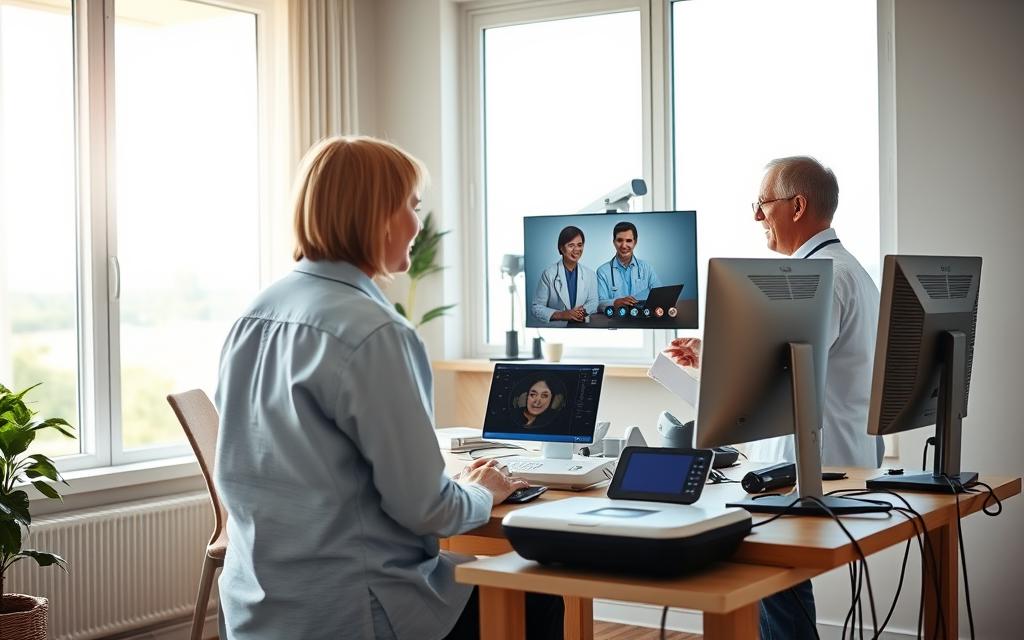
Telemedicine has changed the game. It lets patients talk to doctors from home. This means less waiting, no need to travel, and more access to specialists. It’s a big help for those in rural areas or with mobility issues.
Systems such as NHS App and Babylon Health
The NHS App shows how digital healthcare can improve our lives. It lets users book appointments, get prescriptions, and access health advice on their phones. It makes healthcare easier and more convenient.
Private services like Babylon Health also show the power of technology in healthcare. Their AI symptom checker and virtual consultations help people get medical advice quickly. This reduces the load on hospitals and ensures people get help fast.
Educational Access via E-Learning and Online Resources
Technology has changed education a lot. Now, quality education is available to anyone with the internet.
Online learning platforms offer flexible learning. They help working people and students in remote areas get the education they need. It’s all about making learning accessible and convenient.
Platforms including Coursera and Khan Academy
Coursera works with top universities to offer online courses and degrees. It lets people learn valuable skills from places like Yale and Google, no matter where they are.
Khan Academy shows how technology can make education free and high-quality. It has videos and exercises for all subjects, helping learners of all ages. Its technology adapts to each person’s learning pace.
“Technology will not replace teachers, but teachers who use technology will replace those who don’t.”
These changes in education help people learn and grow throughout their lives. Digital learning fits different learning styles and paces. It makes education more inclusive and effective for everyone.
Environmental Sustainability and Resource Efficiency
Modern technology offers powerful solutions for addressing environmental challenges while maintaining economic growth. These innovations enable us to do more with less, reducing waste and minimising our ecological footprint across various sectors.
Smart Energy Management and Reduction Solutions
Advanced energy systems are changing how we generate, distribute, and consume power. These technologies help utilities and consumers alike optimise energy usage while supporting renewable integration.
Technologies like Smart Grids and IoT Sensors
Smart grid technology represents a fundamental shift in energy infrastructure. These intelligent networks use digital communication to detect and react to local changes in usage, improving reliability and efficiency.
IoT sensors play a key role in monitoring energy flows and equipment performance. They provide real-time data that enables:
- Predictive maintenance to prevent outages
- Dynamic pricing based on demand patterns
- Automated load balancing during peak periods
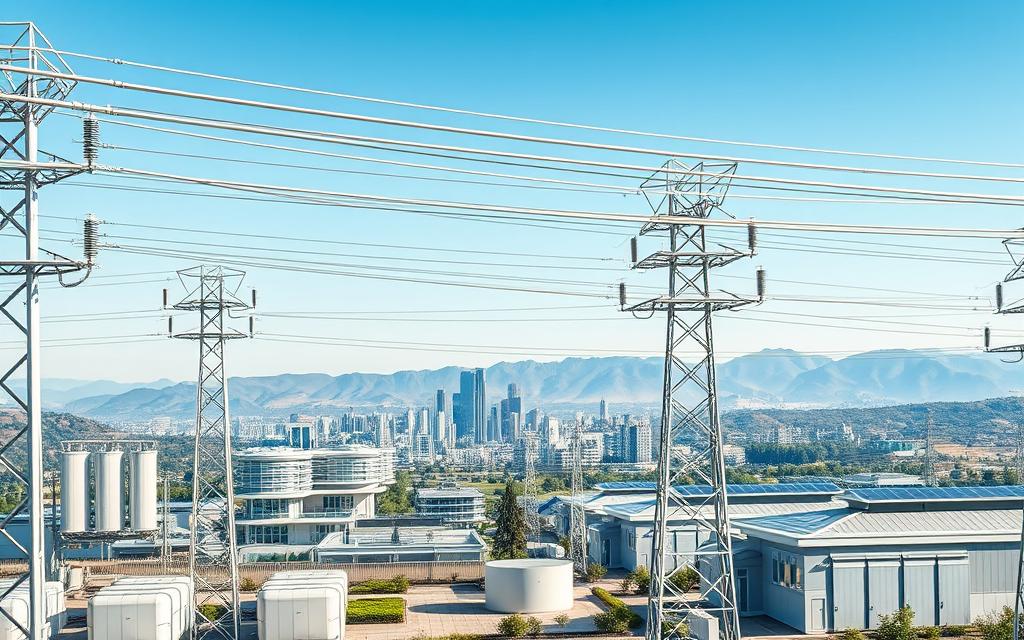
The IoT environmental benefits extend beyond energy to water conservation, air quality monitoring, and waste management. These connected devices create a detailed picture of resource flows, enabling smarter decisions.
Optimising Resource Use in Urban and Industrial Settings
Technology helps maximise resource efficiency in manufacturing facilities and metropolitan areas. Integrated systems analyse consumption patterns and identify improvement opportunities that might be missed.
Examples: Smart Cities and Precision Agriculture
Smart cities represent the ultimate expression of integrated resource management. These urban environments use interconnected systems to:
- Coordinate traffic flows to reduce congestion and emissions
- Optimise public transportation routes based on real-time demand
- Manage energy distribution across districts to minimise waste
In agricultural sectors, precision agriculture techniques are transforming food production. Farmers now use GPS-guided equipment and soil sensors to apply water, fertilisers, and pesticides only where needed.
“Sustainable technology represents our best opportunity to decouple economic growth from environmental degradation.”
This targeted approach significantly reduces chemical runoff while improving crop yields. The IoT environmental benefits in agriculture include reduced water consumption, lower fuel use, and decreased fertiliser application—all while maintaining productivity.
These applications demonstrate how smart grid technology and connected systems create tangible environmental improvements. As these technologies continue to evolve, they will play an increasingly vital role in building a sustainable future.
Addressing Modern Technology’s Challenges and Ethical Aspects
Modern technology brings many benefits but also faces big challenges. We need to think carefully about these issues. This ensures technology helps us, not harms us.
Cybersecurity Threats and Data Protection Measures
New digital risks have appeared, attracting bad actors. These threats can harm both people and companies, stealing important data.
To fight these dangers, strong cybersecurity is key. Companies must use solid protection plans to keep their digital stuff safe.
Tools such as Firewalls and Encryption Software
Firewalls block bad traffic from getting in. They check all traffic against set rules.
Encryption makes data unreadable during sharing. Only those with the right keys can read it, keeping it private.

Training employees is also vital. They can spot and stop phishing and other scams.
Bridging the Digital Divide for Equitable Access
Technology’s benefits aren’t shared equally. Some groups have access, while others don’t.
This gap affects learning, jobs, and joining in community activities. We need everyone’s help to fix this.
Initiatives by Governments and Organisations
Many efforts aim to close the digital gap. Governments are working to get internet to more places.
Charities offer cheap tech and teach people how to use it. This helps those left behind learn important tech skills.
Big companies are also playing a part. They see their role in making digital spaces fair for everyone.
Thinking about tech ethics is important. It makes sure we focus on people’s rights and dignity. This guides how we use and develop technology.
Conclusion
Modern technology brings big wins, making our work and personal lives better. It connects us worldwide, boosts the economy, and improves our quality of life. Digital tools have changed our world, speeding up and linking everything together.
But, there are downsides like cyber threats and unequal access to tech. We must use technology wisely and ethically. This way, it helps us, not just a few, and doesn’t widen gaps.
The future looks bright with tech advancements in green living, health, and learning. By using tech responsibly and making it available to all, we can create a better future. A future where everyone benefits and we all thrive together.
FAQ
What are the primary advantages of modern technology?
Modern technology makes things faster and more efficient. It also connects us all over the world. This means businesses and people can do more in less time, waste less, and work together from anywhere.
How does modern technology improve business efficiency?
Automation, like robots and software, makes tasks easier for businesses. Tools like Tableau and Power BI give insights for better planning and work. This helps businesses run smoother and make smarter choices.
In what ways does technology enhance personal productivity?
Digital tools, such as Google Calendar and Trello, help manage time and tasks. With platforms like Zoom and Microsoft Teams, people can work from anywhere. This makes it easier to balance work and personal life.
What role does technology play in global connectivity?
Fast internet, like fibre optics and 5G, makes sharing data and talking in real-time easy. Tools like Slack and Asana help teams work together, no matter where they are in the world.
How does technology contribute to economic growth?
E-commerce sites like Amazon and eBay help small businesses sell worldwide. Platforms like LinkedIn and Upwork connect people with skills from anywhere. This helps businesses save money and find the best talent.
What societal benefits does modern technology provide?
Technology improves healthcare with telemedicine and digital records. It also makes learning easier with online courses from Coursera and Khan Academy. This helps more people get the education they need.
Can technology support environmental sustainability?
Yes, smart tech like IoT sensors and smart grids use resources better. It also helps in smart cities and farming, reducing waste and improving efficiency. This makes our planet healthier and more productive.
What are the main challenges associated with modern technology?
Big challenges include keeping data safe from hackers and making sure everyone has access to tech. This means using firewalls and teaching people how to use technology safely. It also means making sure everyone can get online and learn how to use it.
How has the shift from analog to digital systems impacted modern technology?
The move to digital has changed how we process and share information. It’s the foundation for new ideas like the Internet of Things (IoT). This shift has made our world more connected and efficient.
What tools are essential for effective remote work?
Tools like Zoom for meetings, Microsoft Teams for teamwork, and Asana for projects are key. They help keep everyone connected and working well, no matter where they are.
 Marcin Wieclaw